
No matter how we look at it, golf club operation/business is a service. As such our interest is to measure the performance and satisfaction to attract new golfers and golf club members, but also to retain existing ones.
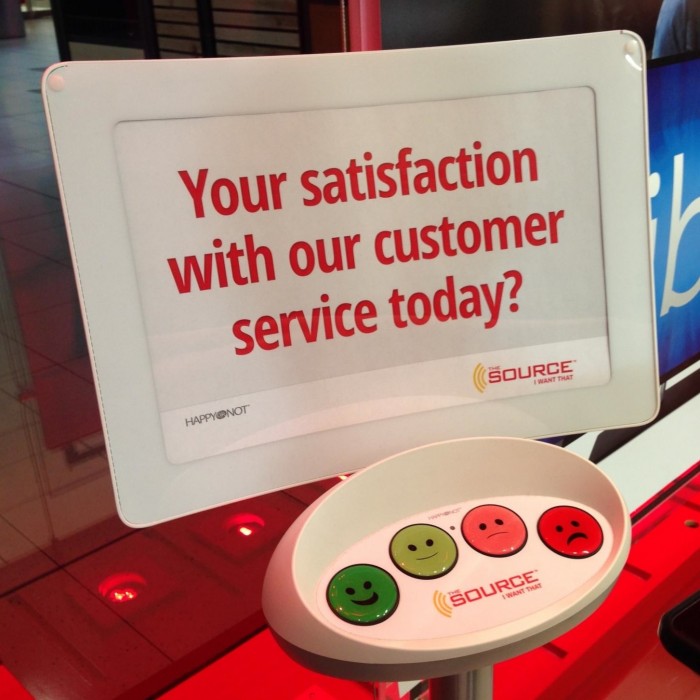
It can be conducted in various ways, however I would suggest to start with a simple tool called Net Promoter Score (NPS). This tool shows who and how many of our customers are either promoting or detracting our service (e.g. golf club/golf course).
Despite the simplicity of NPS, it is not simple to find golf clubs who are using this tool (e.g. Troon Golf, Fairfield Glade Community Club). To my surprise there is no mention of NPS in England Golf's Recruitment & Retention Toolkit for golf clubs and in USGA's website.
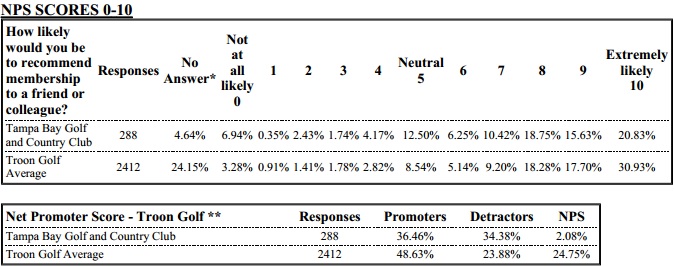
In such markets like the golf course industry where potential buyers have a greater tendency to ask friends or acquaintances for advice before deciding about a purchase, Net Promoter Score can be a useful tool.
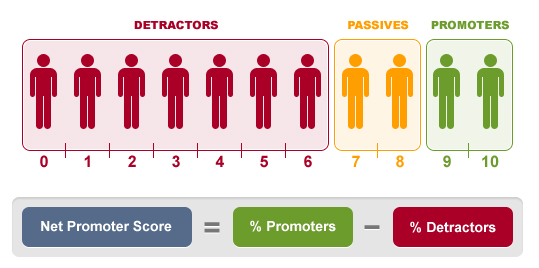
NPS can be a good starting point/springboard from which the evaluator can engage in a deeper conversation with the respondent and to gather data as to why the customer responded the way they did, either positively or negatively.
Of course alone NPS is not enough, but if we put it in the right framework and with some additional motivational questioning it can be a useful metric.
We must understand what motives people to join our golf club or to leave it. In Syngenta's latest Download Syngenta_growing_golf_in_the_uk_summary_report survey among the TOP5 off course stimulus (I don't want to list on course expectations because there is no new there) we can find such issues as:
- comfortable with the golf course and surroundings;
- friendliness of staff;
- club is welcoming regardless of gender;
Therefore it was shocking to read England Golf's most recent Golf Club Membership Questionnaire that found less than 50% of the golf clubs are conducting exit survey of departing golf club members. Why???? What a lost opportunity to understand your customers and to serve better your golf club members!!
However I must say that golfers are not leaving a golf club just because of a single problematic event. Churn results from series of events. This is why we should focus on the entire customer journey.
So if we can meet their expectations (understand their needs) and provide them series of positive experience (e.g. showing them that you care about the members and other golfers in your golf course) with our golf club, we are more likely to be able to retain our golf club members.
At the very same time we should understand that not every loyal customer is profitable. When profitability and loyalty are considered at the same time, it becomes clear that different customers need to be treated in different ways. Personalized experience is indispensable.
To retain golf club members with significant customer lifetime value (CLV) in the era of social customers we should complement the old CLV model with the customer referral value.
The importance of Customer Referral Value (CRV) measurement lies in anticipating future customer behavior and quantify social value. By measuring customer referral value we would like to get answers to the following questions:
- Did he/she actually make the referral? (percent that refer)
- Size of their networks.
- Did they actually become a customer? + what is their value of new customers from referrals? + how profitable are they?
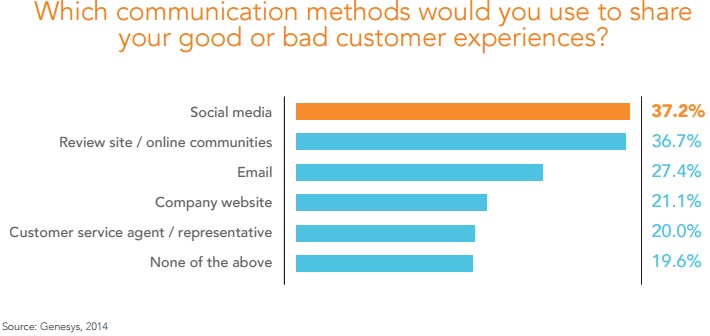
To be able to leverage the inherent power of social media, golf clubs should be more open and prepared to conversations in their and other social media channels. Customers in our days want reciprocal relationship (vs "broadcasting" communication style) and feel to be heard. I think openness can affect golf clubs' NPS. Openness can directly improve NPS in 2 areas:
- converting Passives to Promoters;
- mitigate the number of Defectors.